CSIR-FORIG HOLDS FOLLOW-UP WORKSHOP TO DEVELOP COMMUNITY FORESTRY INTERVENTION PROPOSAL
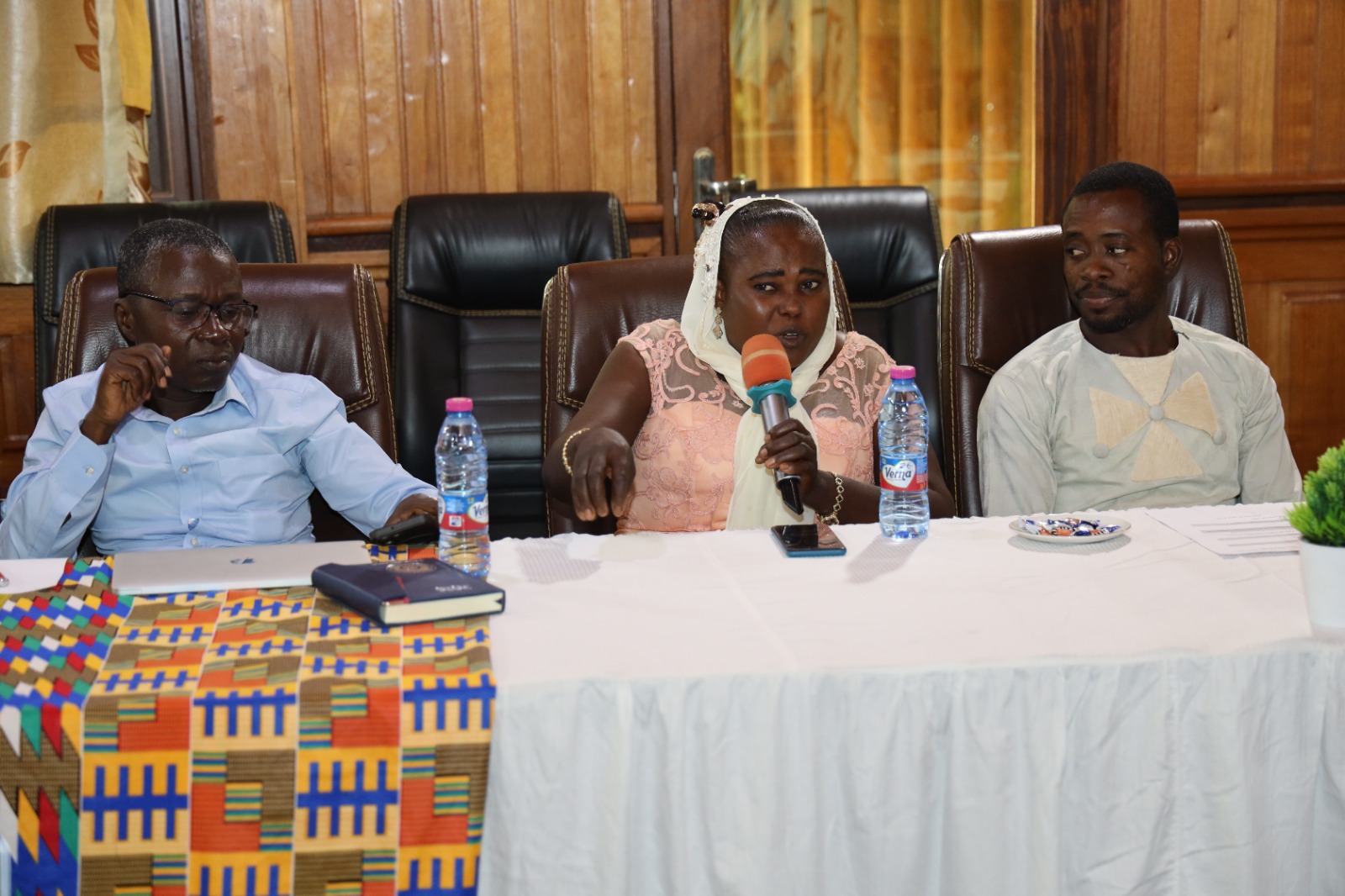
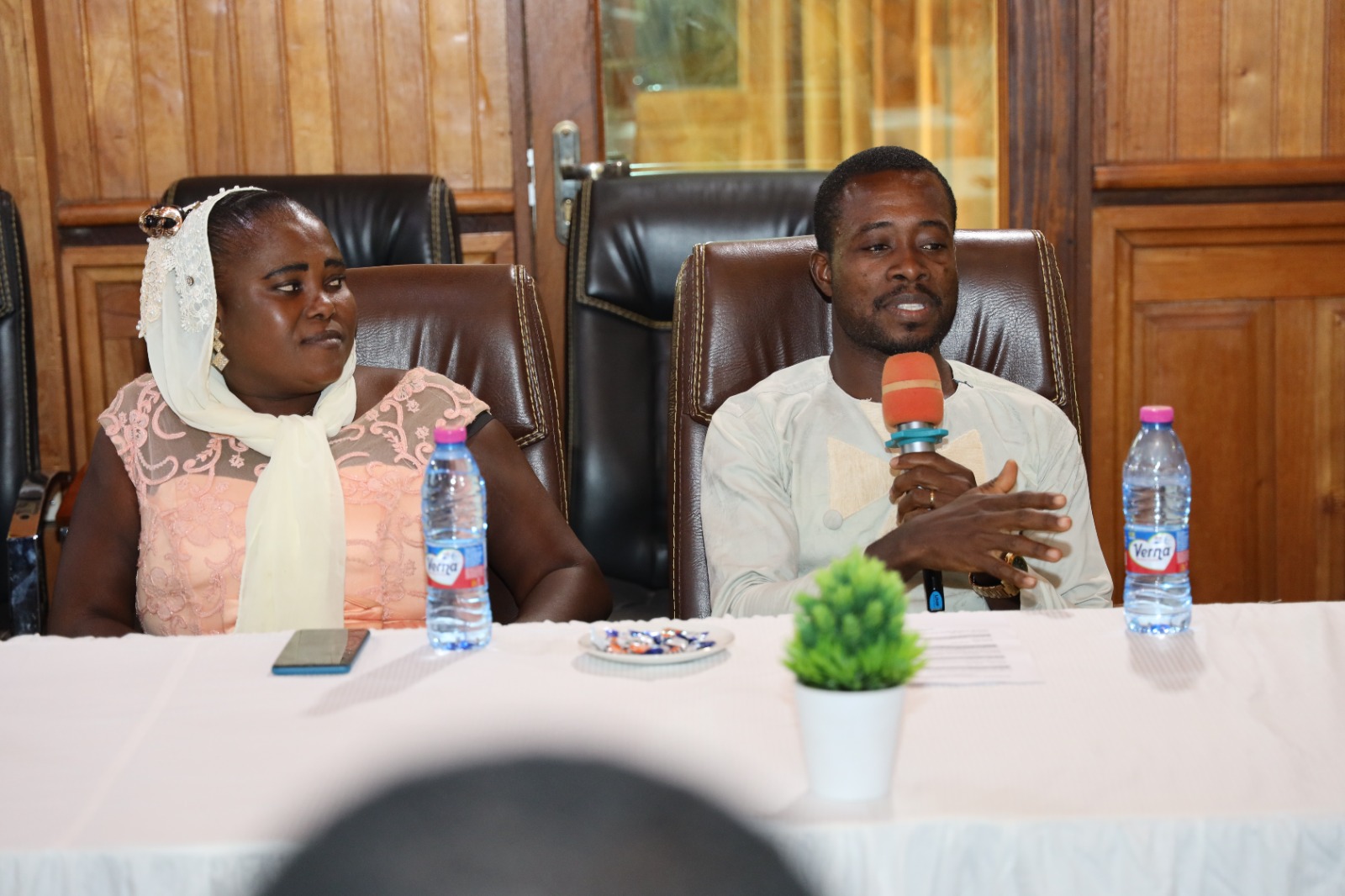
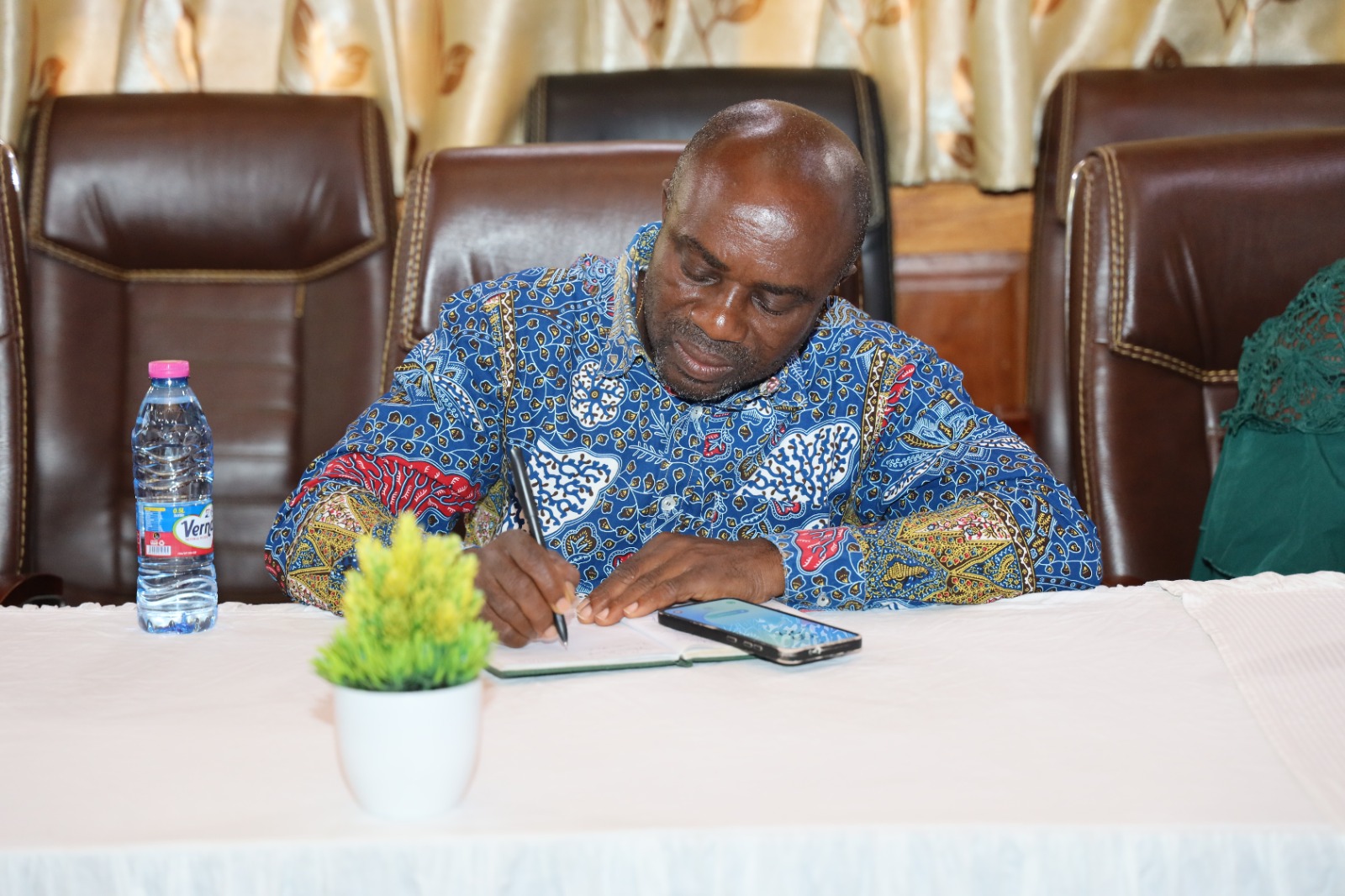
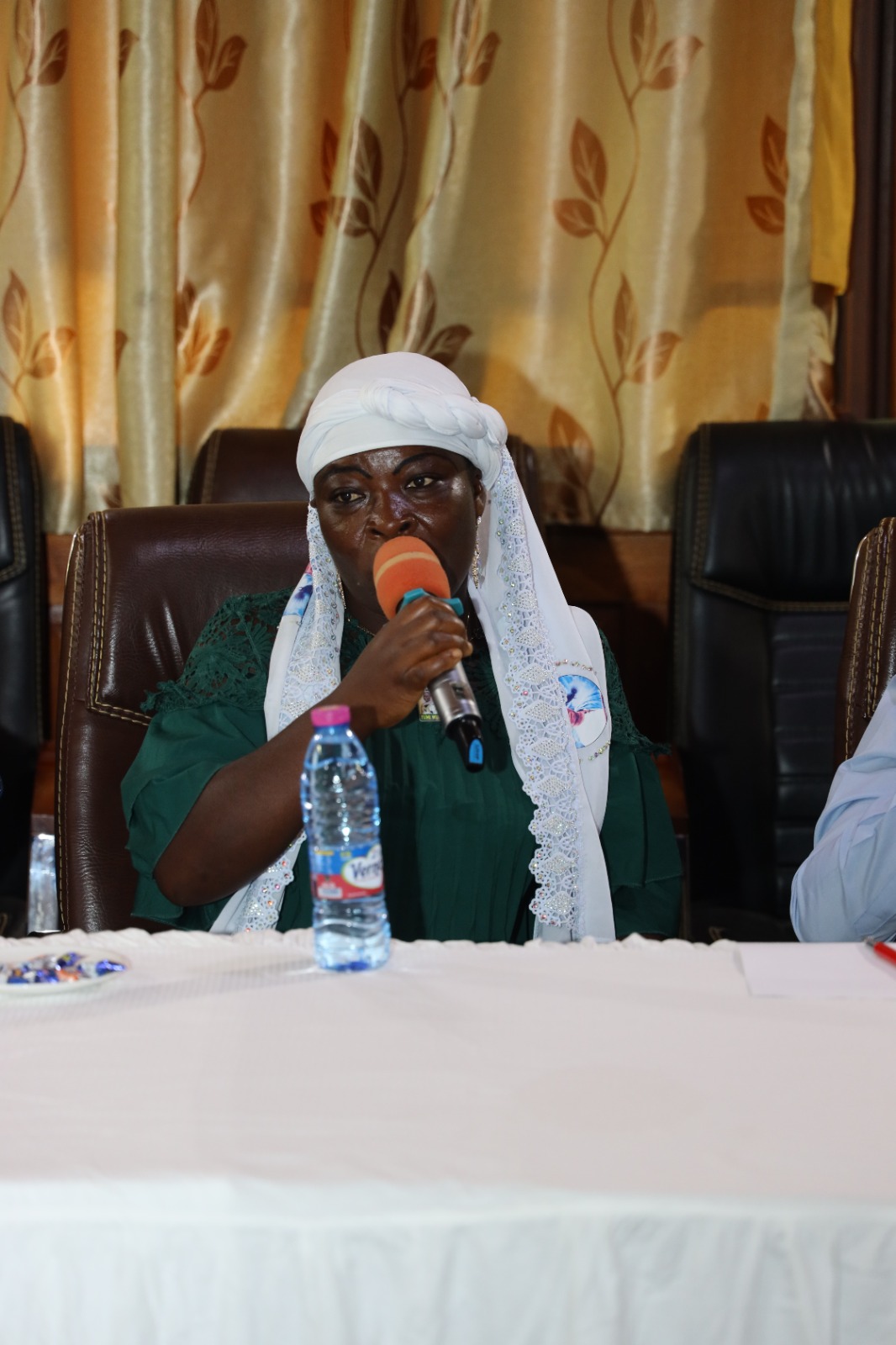
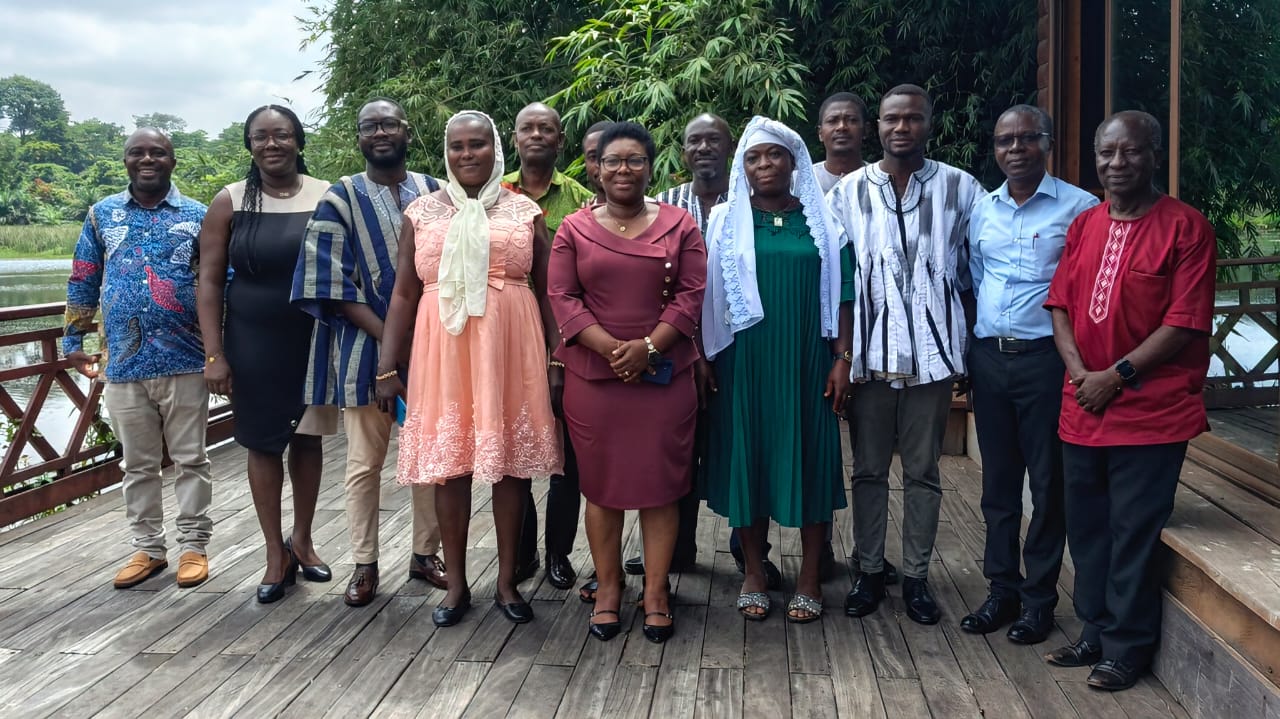
The CSIR-Forestry Research Institute of Ghana (CSIR-FORIG) on 3rd June 2026 organised a follow-up workshop to co-design and develop a funding proposal for Community Forestry Intervention Pilots in Ghana.
The workshop formed part of ongoing efforts to develop innovative and practical interventions that can improve livelihoods in rural forest-fringe communities while supporting sustainable forest conservation. It also built on recommendations and stakeholder inputs gathered during an earlier National Stakeholders Workshop on Community Forestry Interventions.
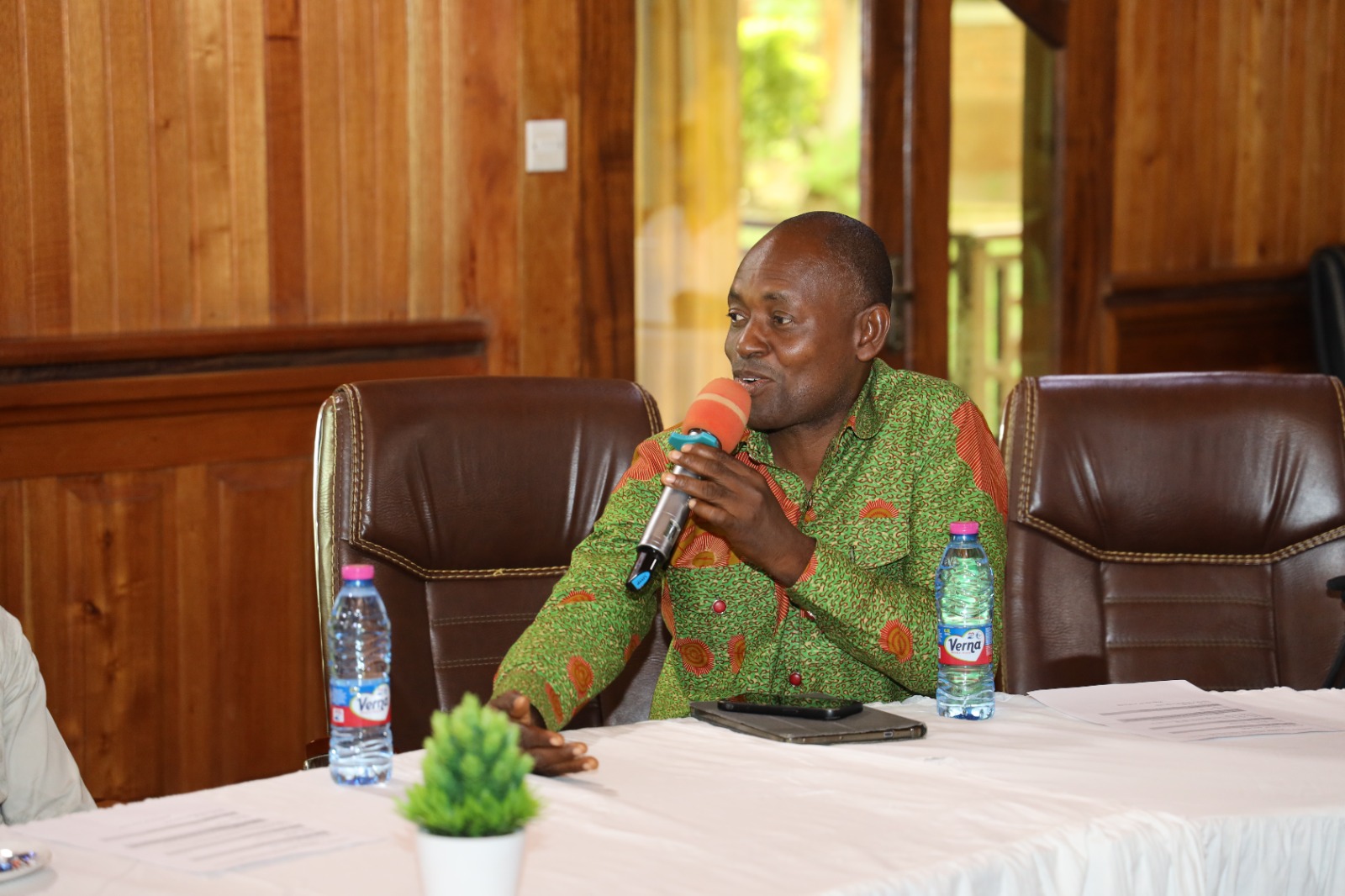
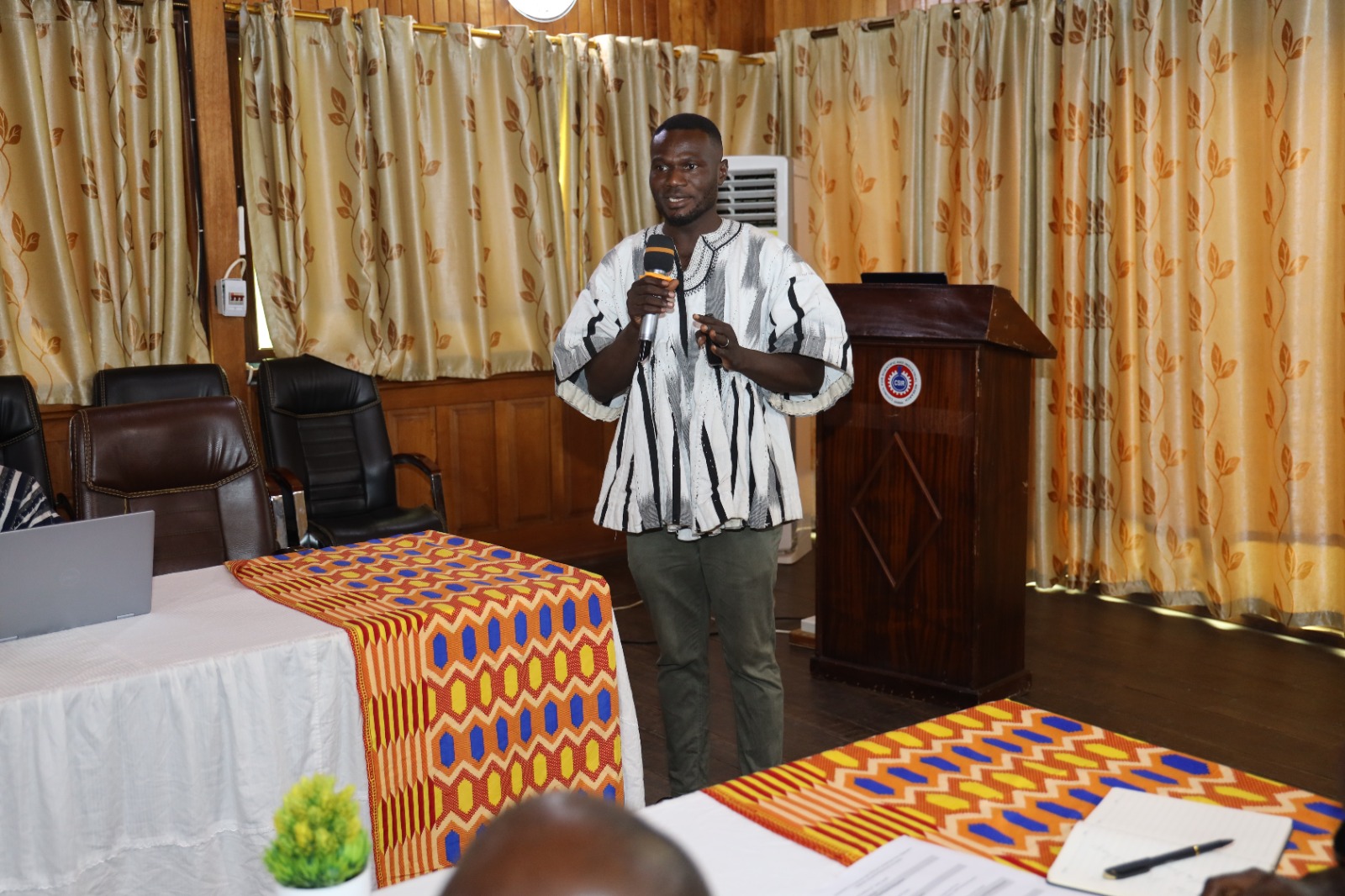
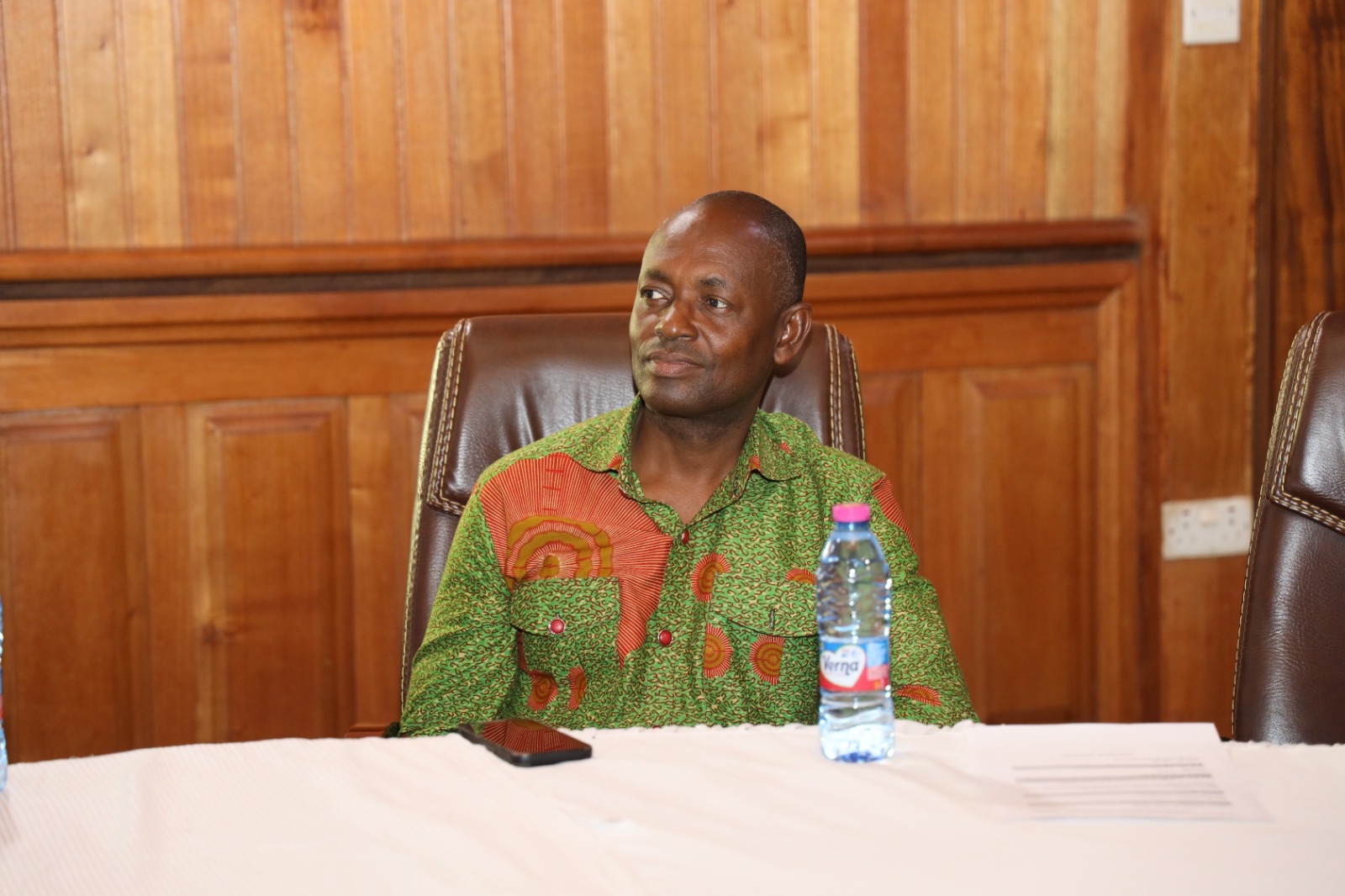
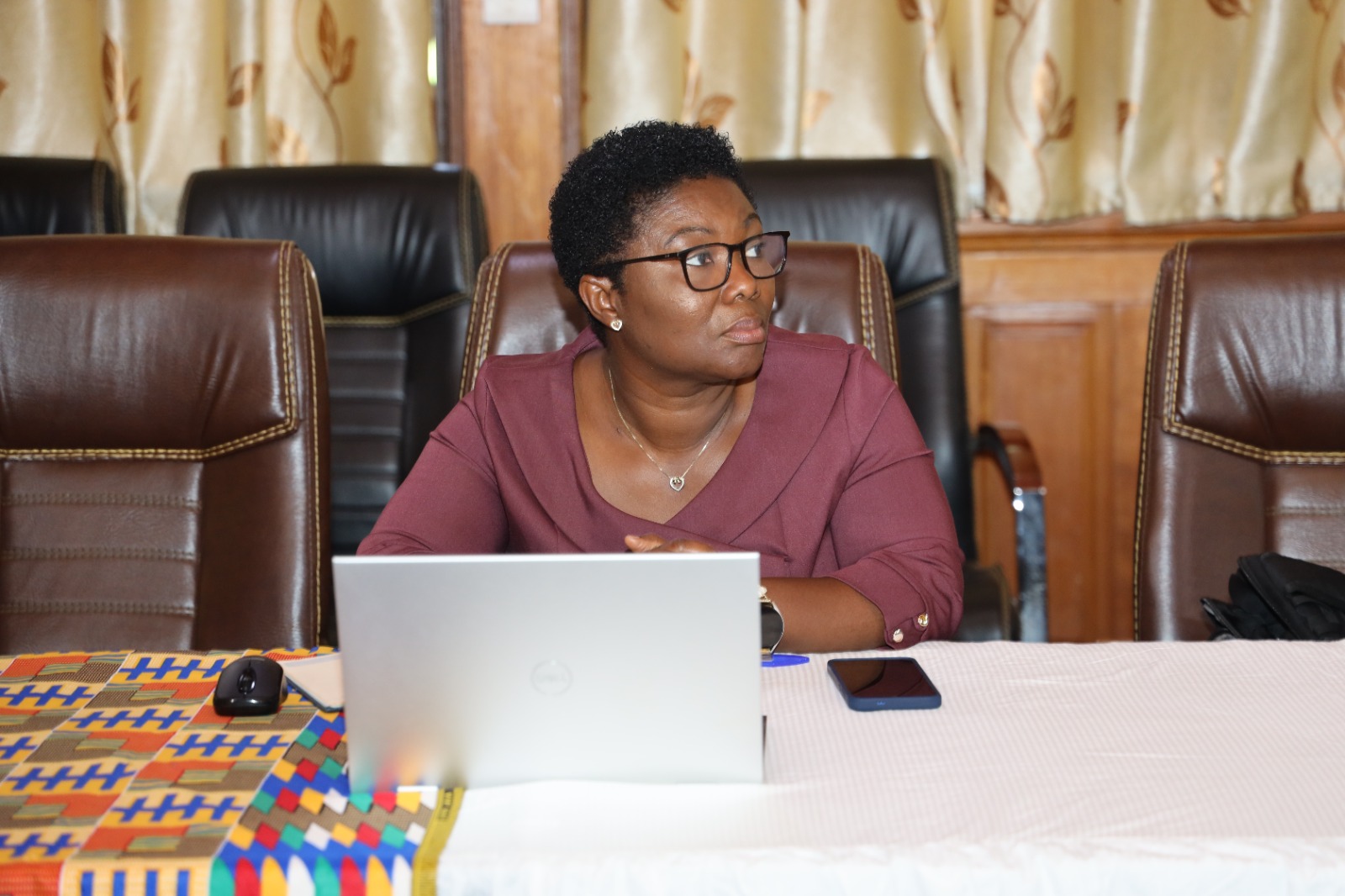
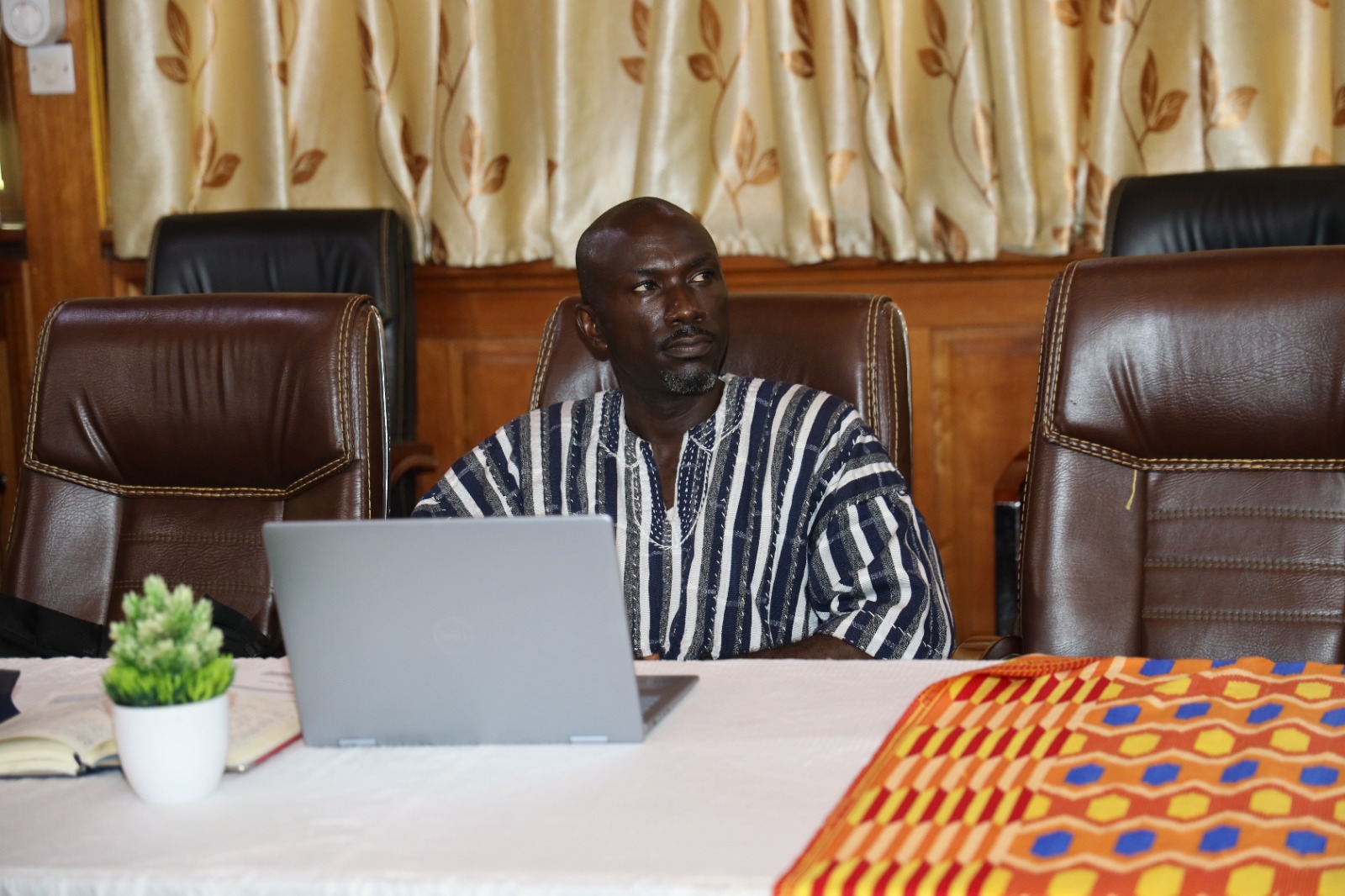
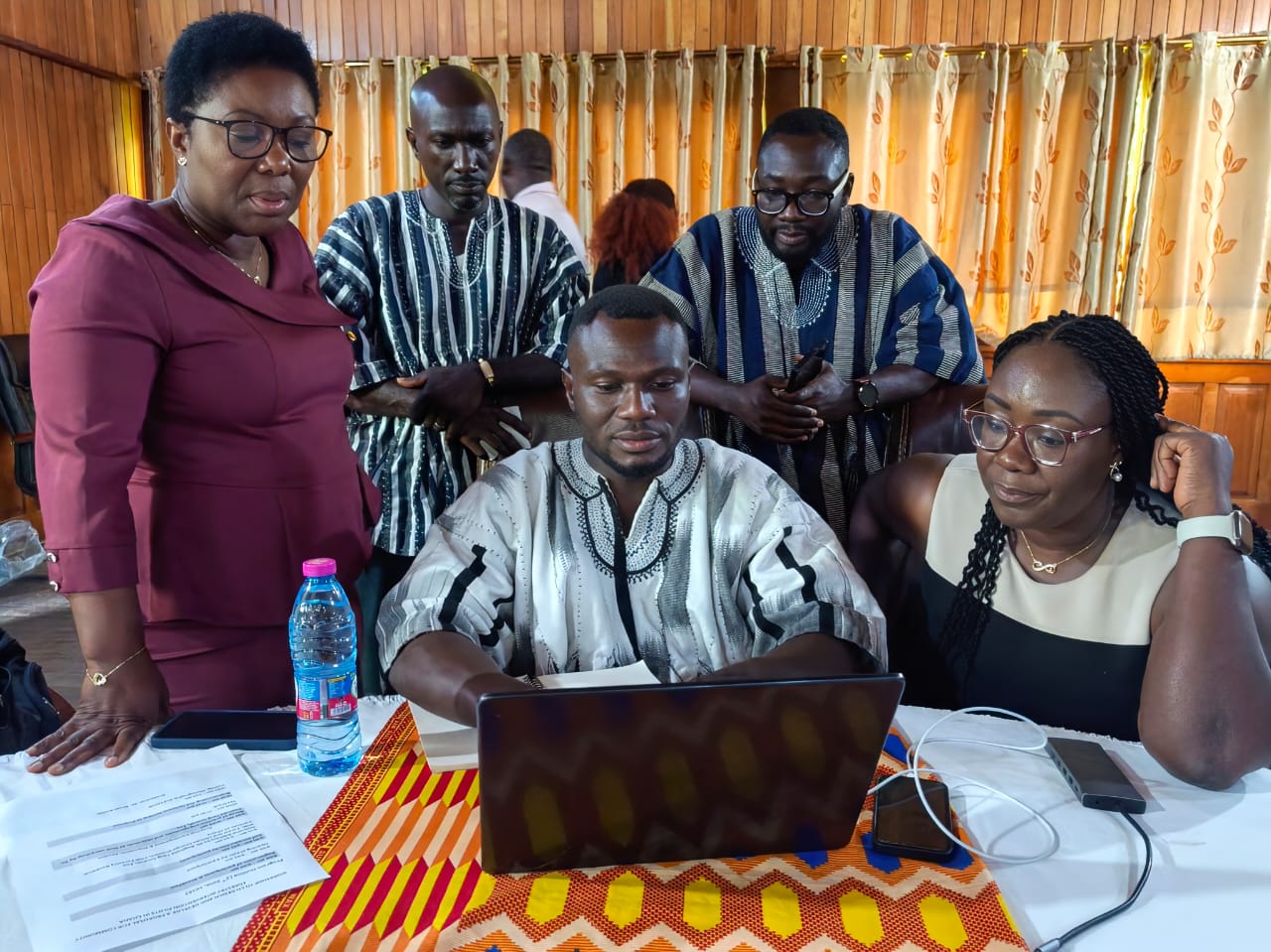
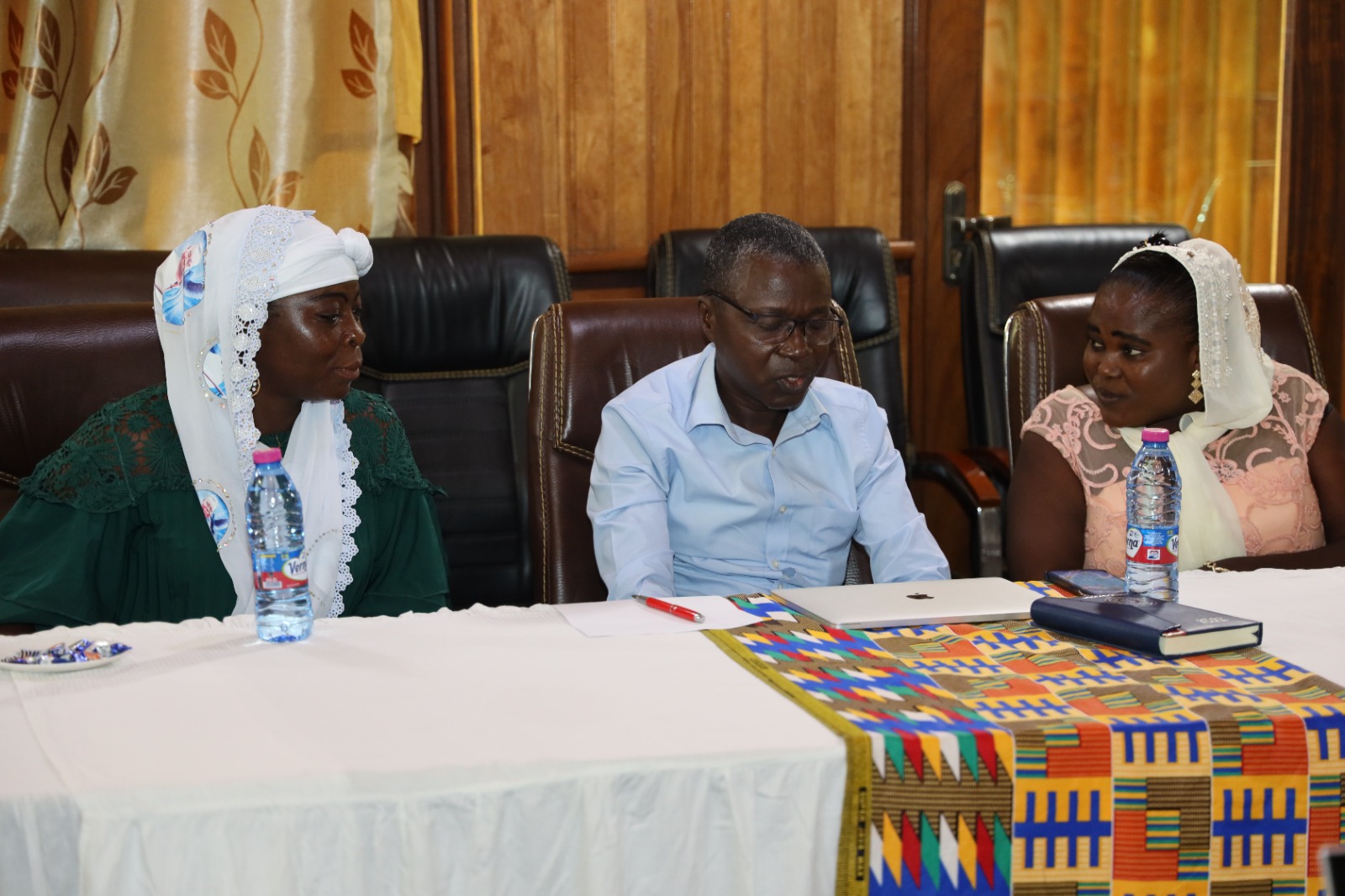
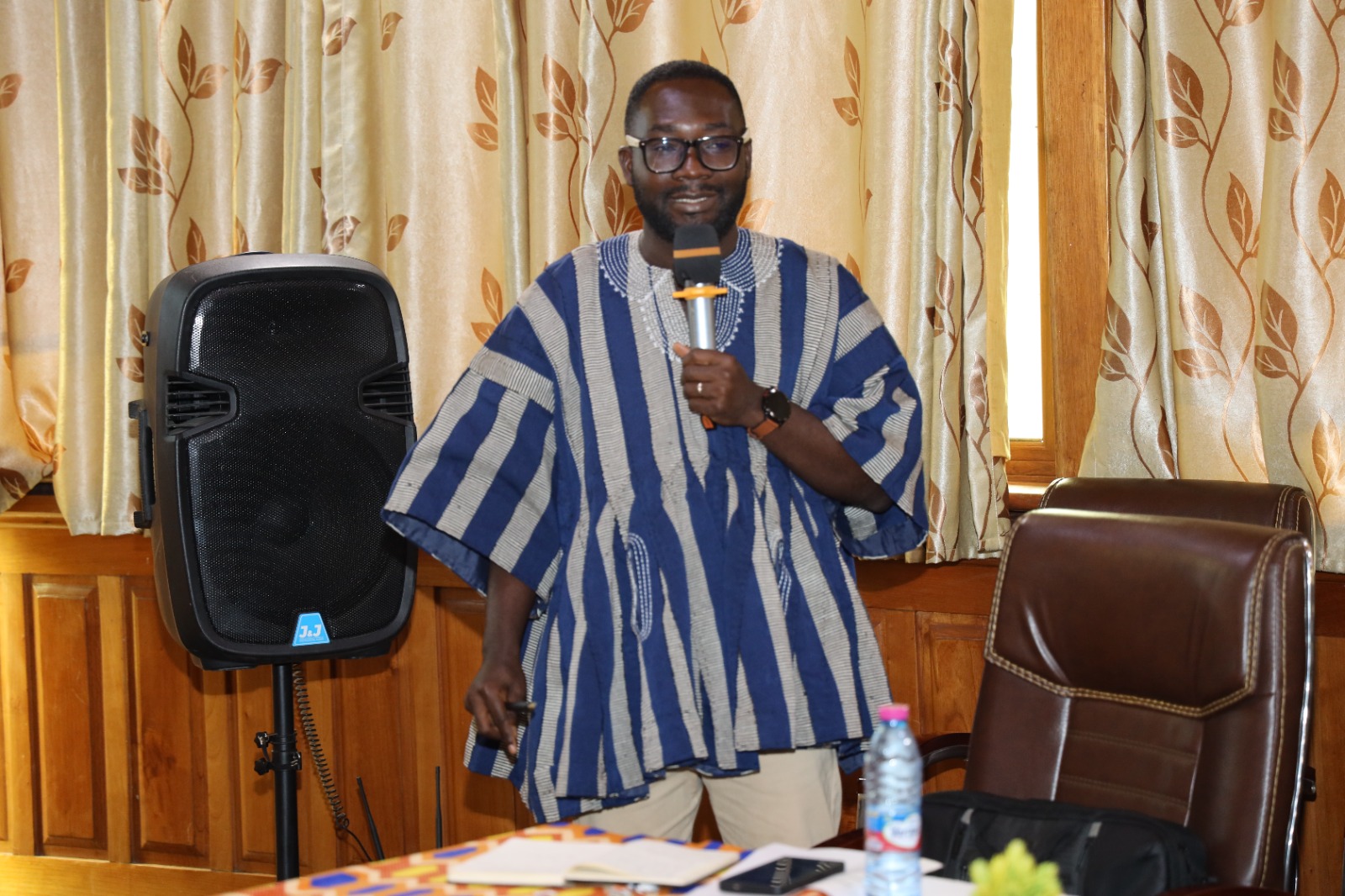
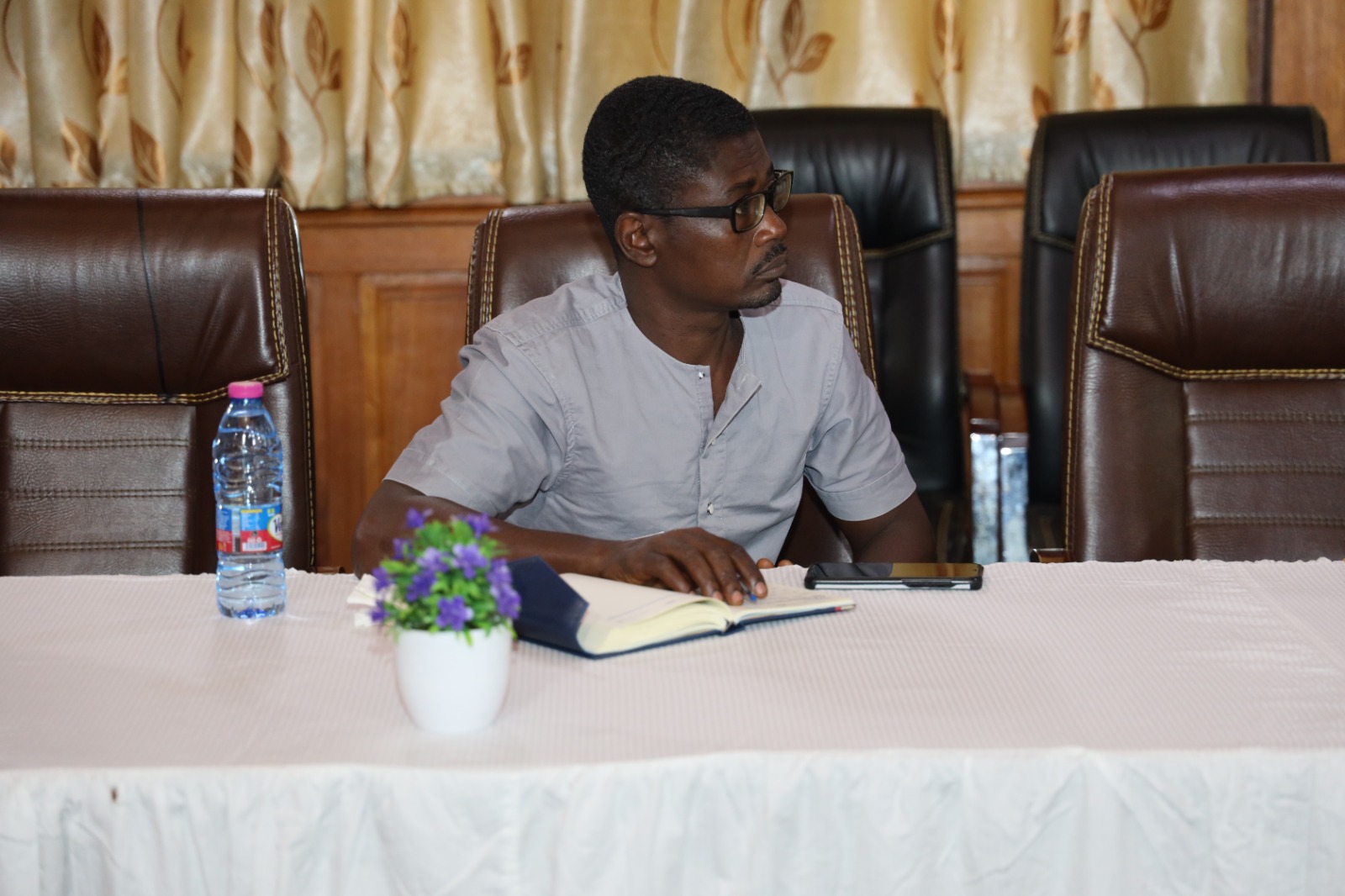
The one-day workshop brought together scientists and stakeholders to brainstorm, deliberate, and technically develop a proposal framework for future intervention studies. Delivering the welcome address, Dr. Reginald T. Guuroh Esq., Head of the Forest and Climate Change Division of CSIR-FORIG, highlighted the importance of collaborative stakeholder engagement in developing evidence-based and community-responsive interventions.
A key outcome of the workshop was the adoption of a cooperative-based intervention study as the working basis for the funding proposal. The proposed study seeks to evaluate the effect of organised cooperatives on the income, market access, and business performance of snail value-chain actors.
The intervention study will compare organised/registered cooperatives (intervention groups) with non-intervention cooperatives (control groups) to assess the impact of structured cooperative systems on enterprise development and livelihood outcomes. Findings from the study are expected to provide evidence-based recommendations for strengthening rural businesses and improving livelihood opportunities in forest-fringe communities.
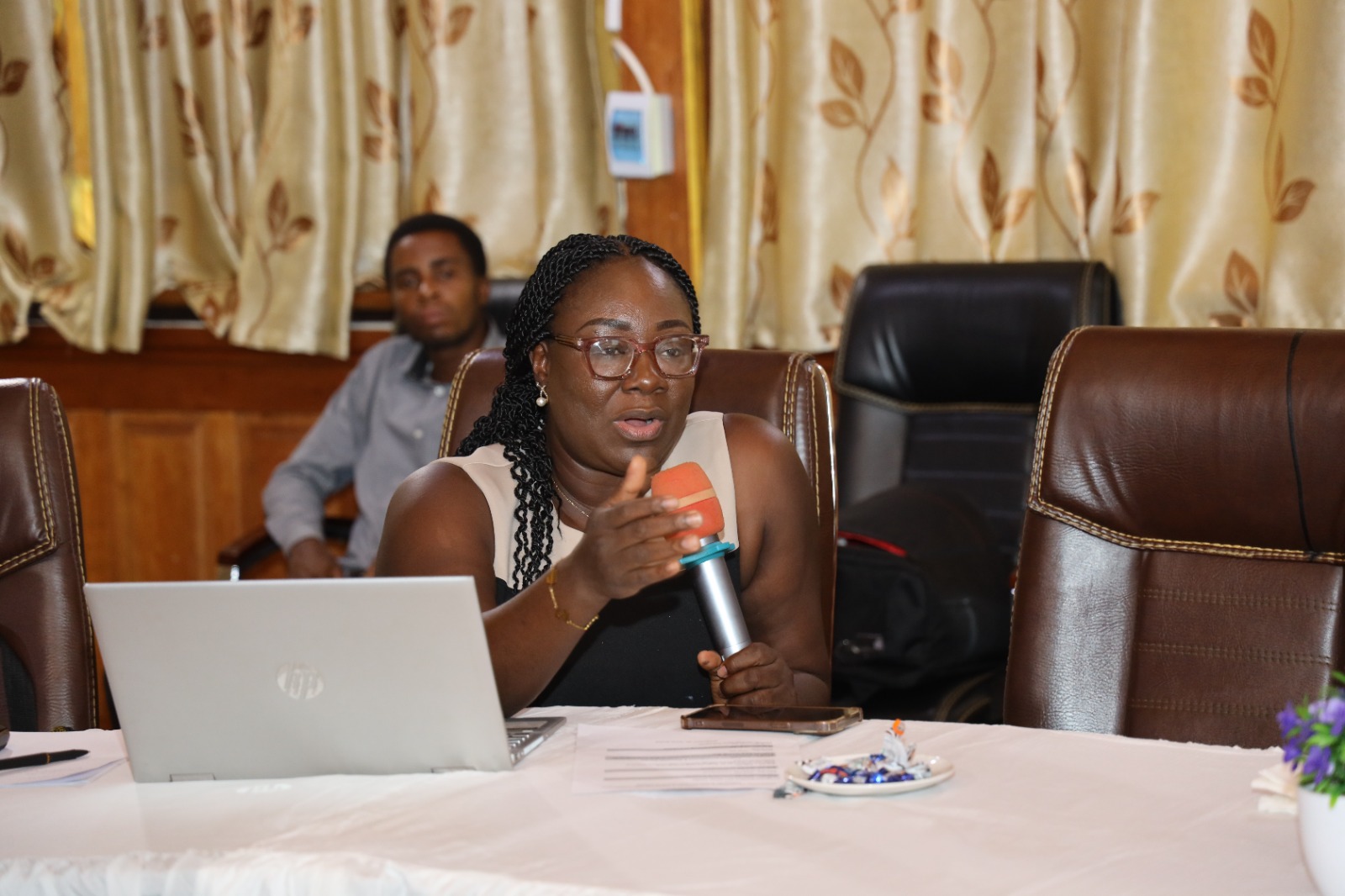
Moderated by Dr. Jewel Andoh, the workshop featured sessions on reflections from previous engagements, proposal development discussions, brainstorming, and technical proposal writing.
The initiative is funded by the Pulte Institute for Global Affairs, University of Notre Dame (USA) and demonstrates a continued commitment to fostering partnerships that support poverty reduction, sustainable livelihoods, and forest conservation in Ghana.